

Among our Slavic ancestors, viburnum played an important role in many wedding ceremonies. It was the main decoration of a wreath, a tree, a loaf and other attributes of a wedding. Wedding candles (even weapons of guests) were decorated with viburnum berries and branches, bridesmaids weaved it into their braids.
ꏍ
The Ukrainians hung a branch of viburnum on the house as a sign that the girl was being married off in this house. Belarusians, Ukrainians and Poles wove a bride’s wreath from viburnum, periwinkle and fragrant herbs. Bulgarians believed that viburnum must be in a wreath – then the young couple will love each other.
ꏍ
The expression “Viburnum bridge” (‘Kalinov most’) is very well known in Slavic folklore. Interestingly, in Polish wedding songs, the matchmakers use the viburnum branches to make a bridge for guests to go across it to the wedding.
ꏍ
Do you know how viburnum is used today (if at all) in wedding rituals?
ꏍ
More interesting facts can be found in: “Slavic Antiquities” – encyclopedic dictionary in 5 volumes by Institute for Slavic Studies of the Russian Academy of Sciences.
ꏍ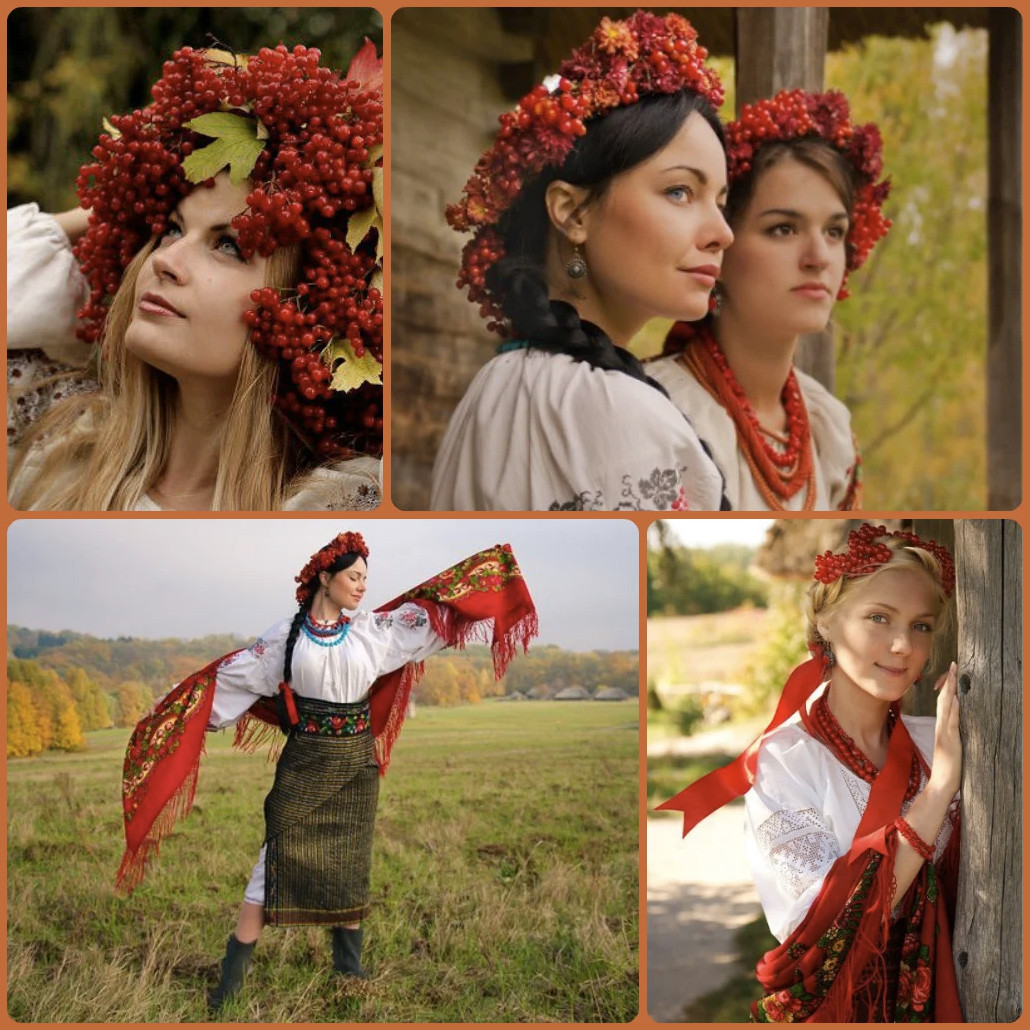
Viburnum in Slavic tradition
Viburnum among the ancient Slavs was associated with virginity, as well as with blood due to bright red berries. Among the Ukrainians, it was a symbol of beauty, purity and procreation (“viburnum gave birth to a family”).
ꏍ
In Ukraine, during the first bathing of a girl, viburnum berries and leaves were put in the water so that she will grow up beautiful, happy and healthy. Viburnum was also put next to the woman in labor, so that she and the child were healthy and happy. And the midwife, washing the face and hands of the woman in labor, wished her to be “as beautiful [‘red’ in archaic language form], as viburnum”.
ꏍ
In northern Bulgaria, the midwife on the Sunday before Babin day (January 8) walked around the houses, where she helped to deliver babies, and applied mashed viburnum berries on the foreheads of women and children. Then she invited them to her place and blessed them: “Be red like viburnum, and buzz like a bee”.
ꏍ
Our ancestors were not mistaken with the health benefits of viburnum berries, which is now confirmed by science. What recipes based on this plant do you know?
ꏍ
To be continued…
ꏍ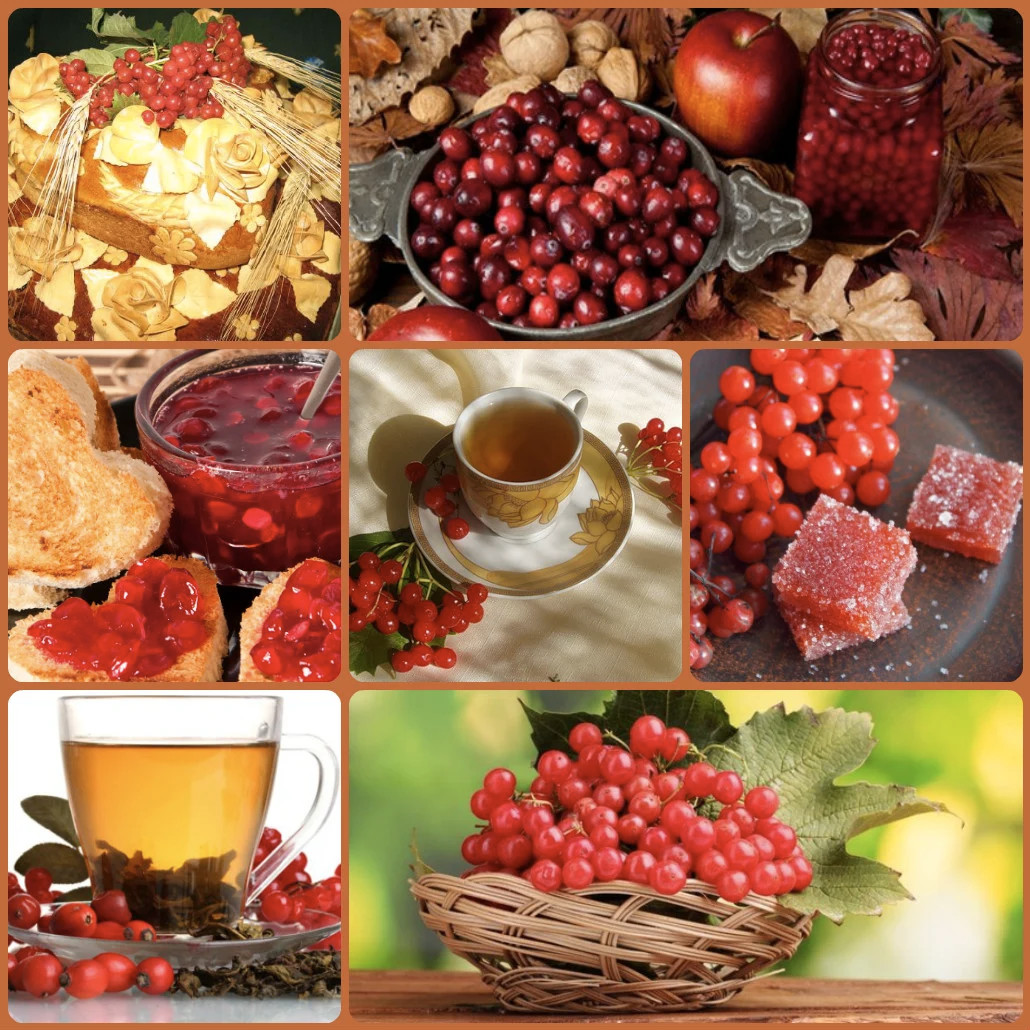
Slavs used feathers as talismans as well as medication
In Belarus, the feather of a stork (as an “enemy” of reptiles and all evil spirits) was stuffed into the floor or into the wall near the bed from fleas. For similar purposes, Bulgarians used crane’s feathers. To protect a woman in labor from evil spirits, Serbians fumigated her with a straw and feathers taken from three empty nests.
ꏍ
To heal a fever, Slavs used a smoke from several feathers plucked from a young hen, which had not yet laid any eggs. With fresh feathers of a partridge or an owl, the Poles treated aches in the lower back and joints, covering sore spots with them.
ꏍ
For healing, the South Slavs used the feathers of sacrificial hens, chicks and roosters (usually black), which were slaughtered during the “wolf” holidays. Such feathers Serbians used to fumigate sick children or women in labor during childbirth. Bulgarians used rooster feathers for healing, and chicken feathers for fortune-telling.
ꏍ
Stork, chicken, crane, owl, partridge … What other birds do you know, whose feathers have special properties?
ꏍ
More interesting facts can be found in: “Slavic Antiquities” – encyclopedic dictionary in 5 volumes by Institute for Slavic Studies of the Russian Academy of Sciences.
ꏍ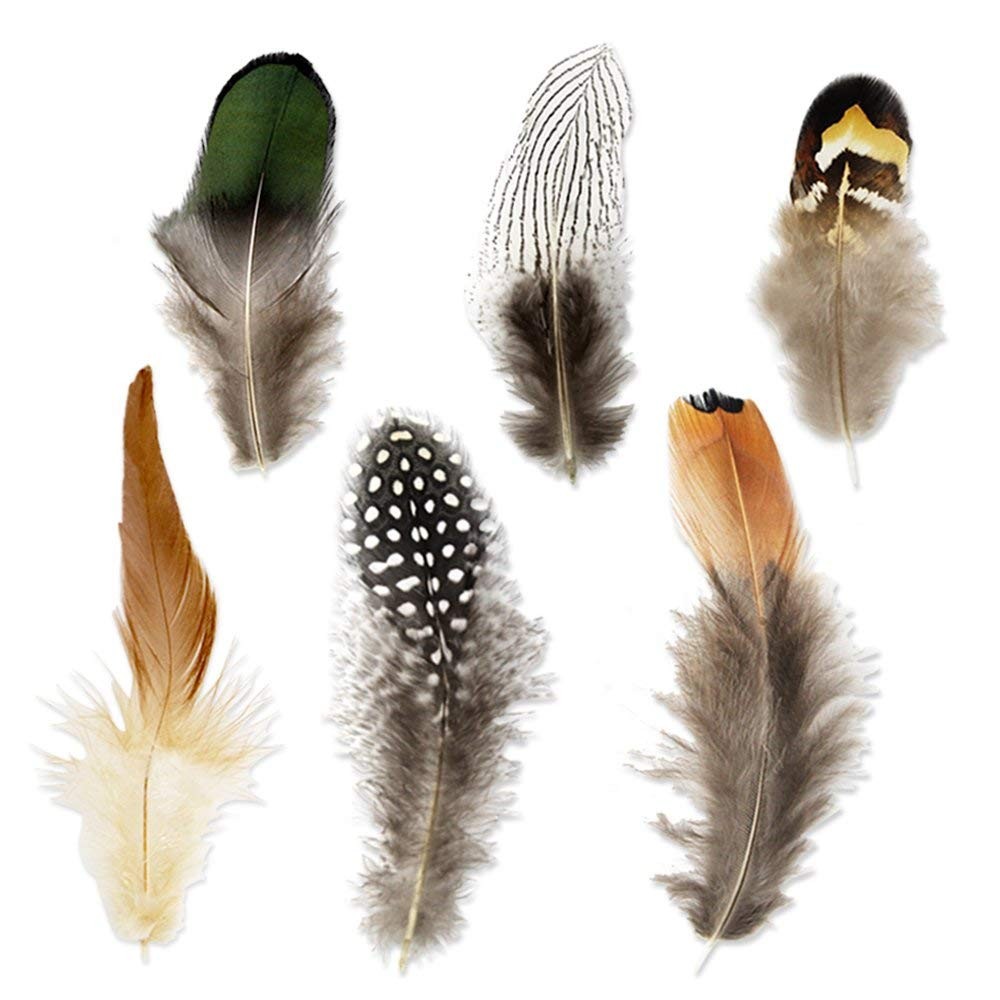
Feather in Slavic tradition
Feather in Slavic tradition: from black magic to amulet for happiness.
ꏍ
Ancient Slavs associated feathers not only with birds, but also with some demonic creatures. According to southern Slavic beliefs, a demon man with feathers on his body was born once in a while as a protector of the countryside. Bulgarians believed that Vilas had feathers on their dresses. The spirit of wealth Mamnik (or Mamyak) was believed to have a form of a feathered black chick, who was hatched from an egg under the dress of a witch. By throwing his feather into a neighbor’s barn, the witch could “steal” milk from other people’s cows.
ꏍ
A disgruntled Domovoi could pluck feathers on the head of chickens. To avoid this, a talisman called “Chicken God” was hung in the henhouse. And if a cunning chicken seller in Poland snatched three feathers from under her wing and quietly casted the incantation: “Tobie mięso a mnie pierze” [Your meat, and my feathers], then the chicken would stop laying eggs.
ꏍ
Feathers were also used in wedding ceremonies. Ukrainians decorated the bride’s wreath with long feathers. In Poland, a young couple were gifted with a feather. The oven was swept with feathers before baking a loaf. And the bride during the wedding held a feather in a stocking for good luck.
ꏍ
Do you pick up bird feathers? How do you use them?
ꏍ
To be continued….
ꏍ
«…There were no sounds of the pursuit…»
Our graphic novel about customs and beliefs of the Slavic people in the early Middle Ages is available here: https://www.slovene.online/boar
ꏍ