
Russians, Poles and Lusatians, imagined Poludnitsa as a young and beautiful girl or woman dressed in white (sometimes red) and shiny clothes. The Russians and Czechs believed that she had white hair, while the Poles thought that Poludnitsa wore a white headscarf and a golden belt with a shiny dagger.
ꏍ
On the other hand, she was often portrayed as a horrifying ugly woman with a long scruffy hair. She was seen as old, crooked, black (or black-faced) and with iron teeth. Poles, Lusatians and Russians also believed that she was unusually tall.
ꏍ
Poludnitsa was portrayed with a huge frying pan, scythe or sickle with which she beheaded people. In some Polish stories, she was accompanied by seven black dogs. Western Slavs believed that Poludnitsa could sing. They also often described her having some zoomorphic features. Czechs believed that Poludnitsa had cow’s eyes and horse legs, and that she appeared in a whirlwind. Poles thought that she had pig bristles above her upper lip. Some even believed that Poludnitsa was invisible.
ꏍ
Which image of Poludnitsa is more appealing to you?
ꏍ
To be continued…
Artist: Anita Miakisheva https://anitamyakisheva.artstation.com
ꏍ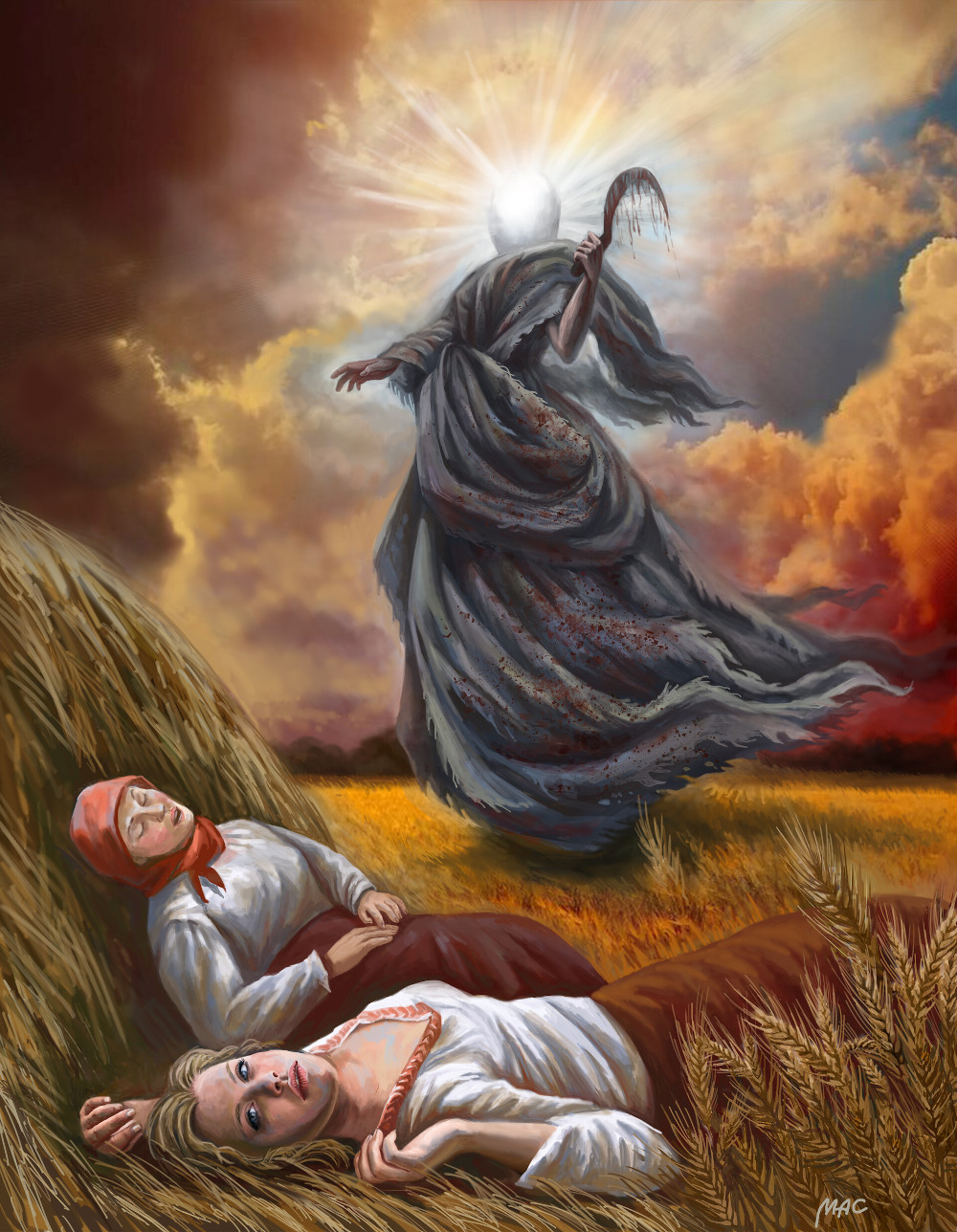
Poludnitsa is a Slavic female mythological character
Poludnitsa is a Slavic female mythological character, the personification of a midday (noon) – a borderline time of day dangerous for humans, according to the beliefs of our ancestors. She combines the features of a solar spirit (associated with summer sunlight and heat) and a seasonal demon (manifests itself during the blooming and ripening of crops). Poles called her Południca, Czechs – Polednice, Lusatians – Připołdnica or Pśespołnica.
ꏍ
It was believed that Poludnitsa comes from the dead people who do not have peace in the “next world”: from engaged girls who died before the wedding, as the Slovaks thought, from the souls of evil people, witches and sorcerers in the beliefs of the Poles.
ꏍ
Characters similar to Poludnitsa are also known among the Slavs. For example, Żytna Baba for the Poles, Režna Ženka for the Czechs, Zalizna Baba for the Ukrainians, Udelnitsa for the Russians, ‘Dyka Baba z dzheliznym makogonom’ for the Rusyns. They also stay in the field during the ripening of the harvest, regulate human behavior during this period and punish those who ruin the crops.
ꏍ
What other harvest protectors do you know?
ꏍ
To be continued…
Photo: Marina Syskova
https://vk.com/meranda_cosplay
ꏍ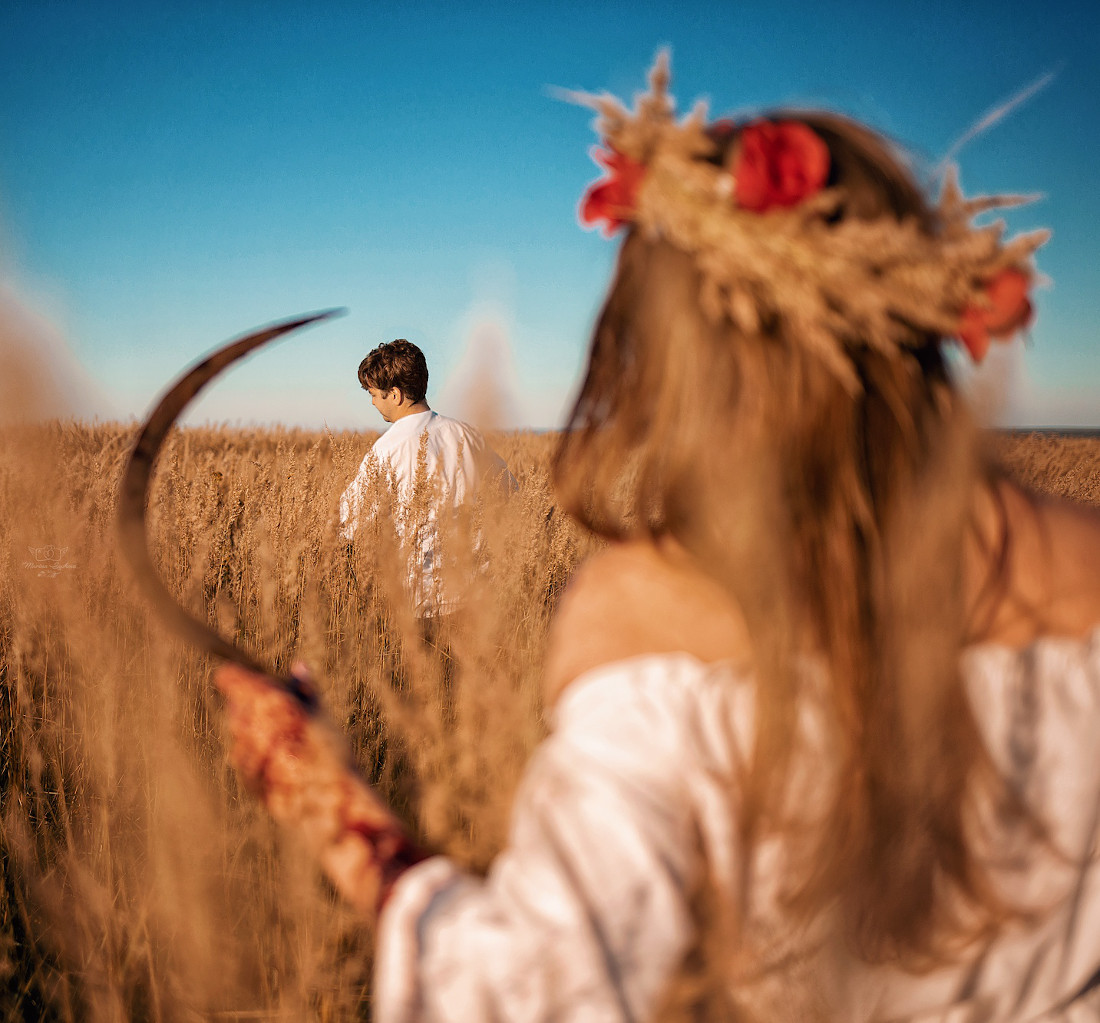
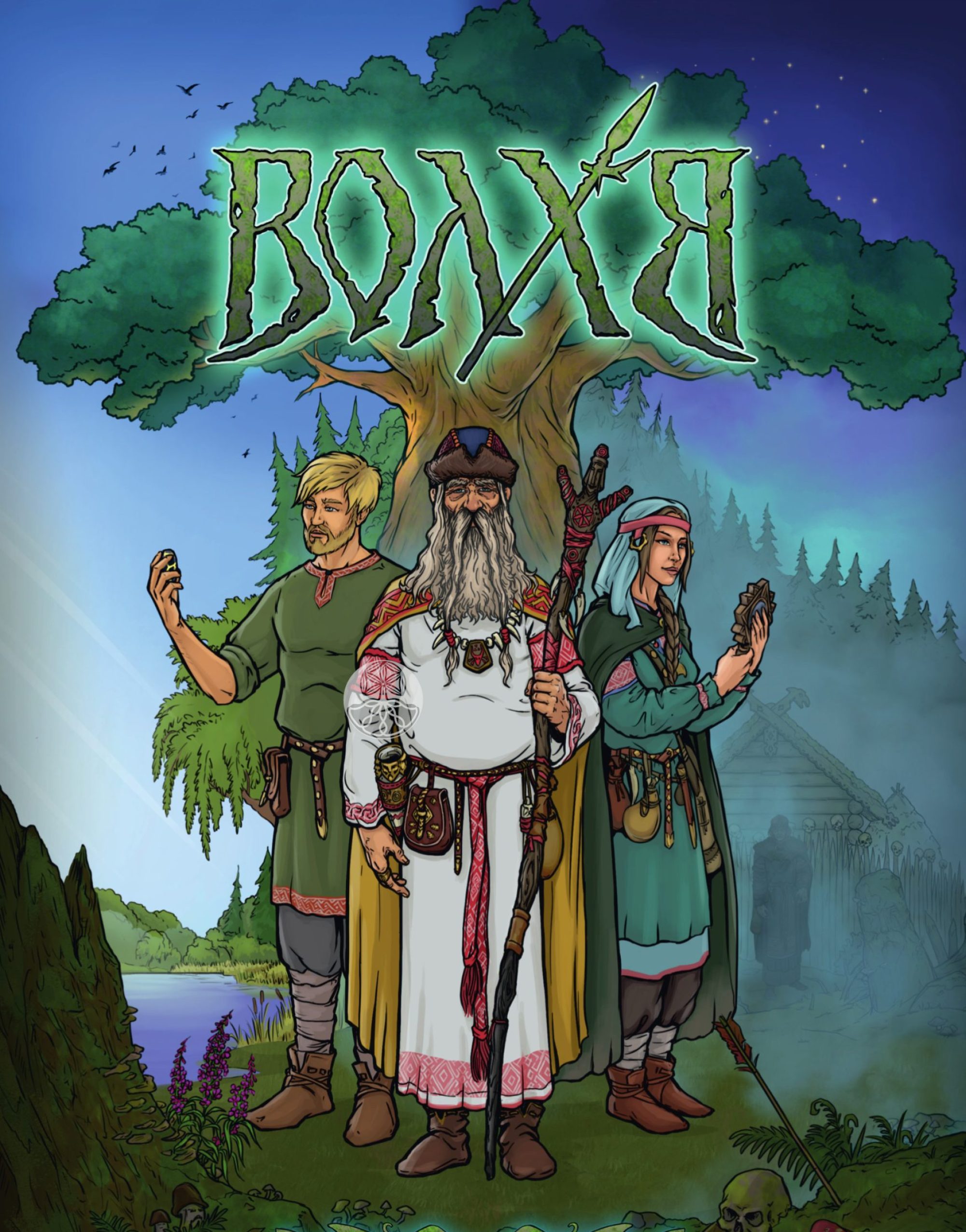
…On the way home, there was a sacred oak grove…
«…On the way home, there was a sacred oak grove. The hunters of their clan always came here to ask for purification after killing an animal or bird…»
ꏍ
Our graphic novel about customs and beliefs of the Slavic people in the early Middle Ages is available here: https://www.slovene.online/boar
ꏍ
Viburnum in Slavic wedding ceremonies
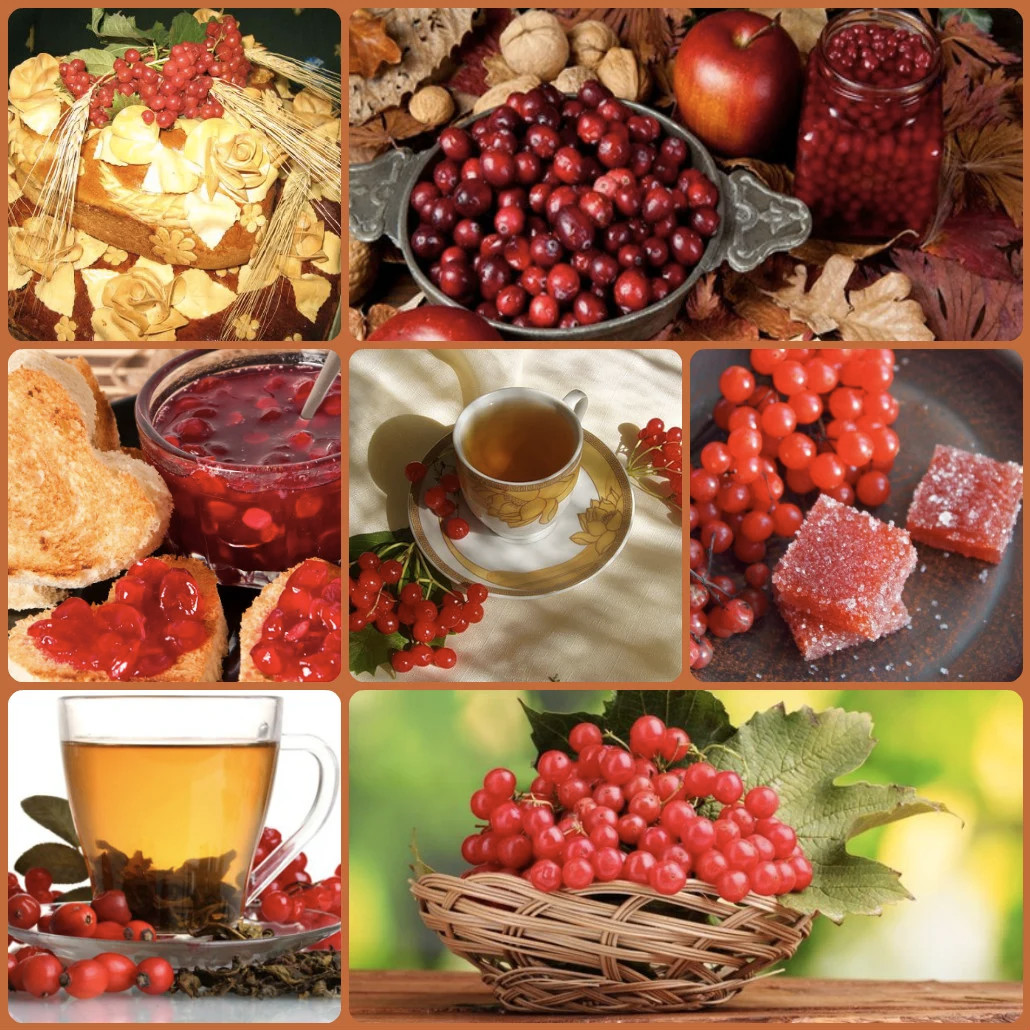
Among our Slavic ancestors, viburnum played an important role in many wedding ceremonies. It was the main decoration of a wreath, a tree, a loaf and other attributes of a wedding. Wedding candles (even weapons of guests) were decorated with viburnum berries and branches, bridesmaids weaved it into their braids.
ꏍ
The Ukrainians hung a branch of viburnum on the house as a sign that the girl was being married off in this house. Belarusians, Ukrainians and Poles wove a bride’s wreath from viburnum, periwinkle and fragrant herbs. Bulgarians believed that viburnum must be in a wreath – then the young couple will love each other.
ꏍ
The expression “Viburnum bridge” (‘Kalinov most’) is very well known in Slavic folklore. Interestingly, in Polish wedding songs, the matchmakers use the viburnum branches to make a bridge for guests to go across it to the wedding.
ꏍ
Do you know how viburnum is used today (if at all) in wedding rituals?
ꏍ
More interesting facts can be found in: “Slavic Antiquities” – encyclopedic dictionary in 5 volumes by Institute for Slavic Studies of the Russian Academy of Sciences.
ꏍ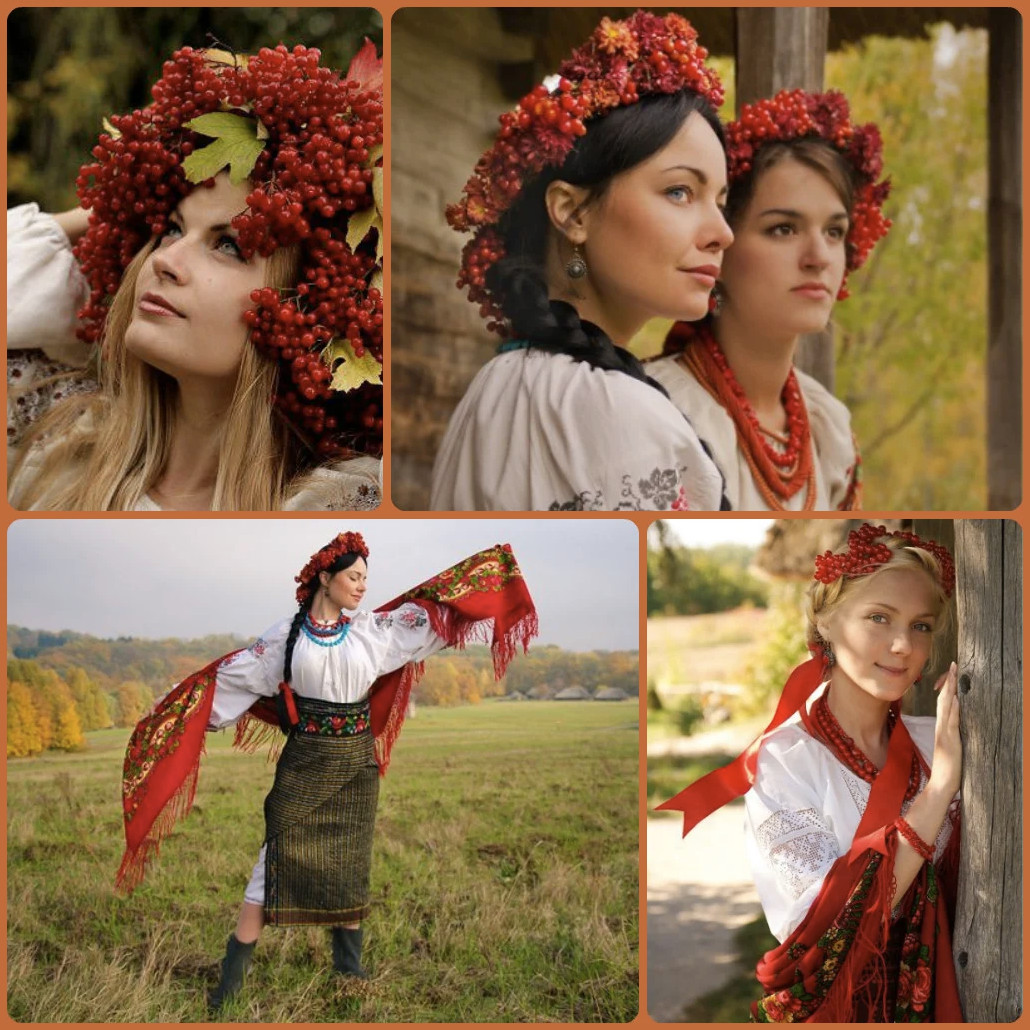
Viburnum in Slavic tradition
Viburnum among the ancient Slavs was associated with virginity, as well as with blood due to bright red berries. Among the Ukrainians, it was a symbol of beauty, purity and procreation (“viburnum gave birth to a family”).
ꏍ
In Ukraine, during the first bathing of a girl, viburnum berries and leaves were put in the water so that she will grow up beautiful, happy and healthy. Viburnum was also put next to the woman in labor, so that she and the child were healthy and happy. And the midwife, washing the face and hands of the woman in labor, wished her to be “as beautiful [‘red’ in archaic language form], as viburnum”.
ꏍ
In northern Bulgaria, the midwife on the Sunday before Babin day (January 8) walked around the houses, where she helped to deliver babies, and applied mashed viburnum berries on the foreheads of women and children. Then she invited them to her place and blessed them: “Be red like viburnum, and buzz like a bee”.
ꏍ
Our ancestors were not mistaken with the health benefits of viburnum berries, which is now confirmed by science. What recipes based on this plant do you know?
ꏍ
To be continued…
ꏍ