Sacred oak grove

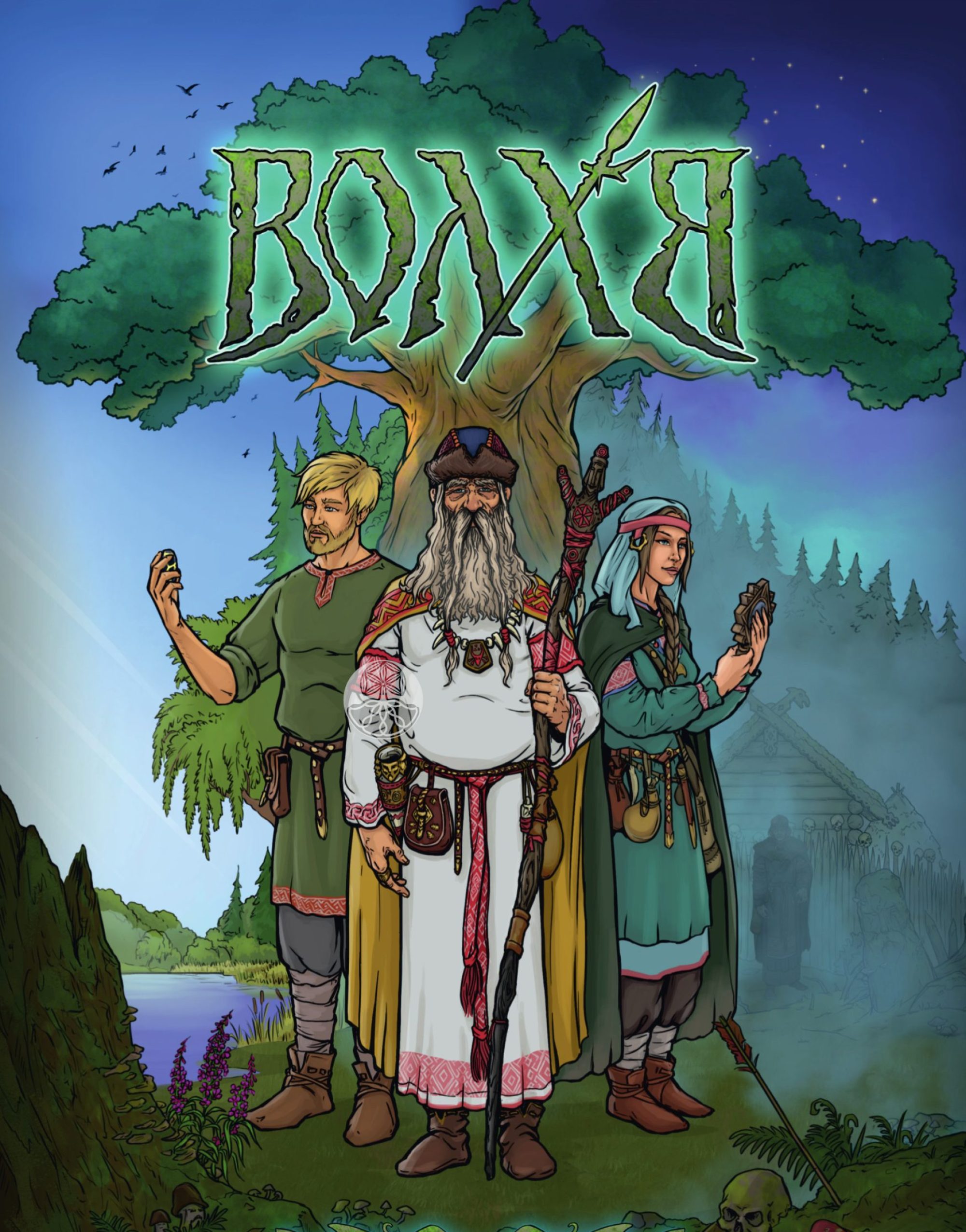
We continue to work on the first story from the animated fantasy comic book series about customs and beliefs of the Slavic people in the early Middle Ages. The “static” PDF version of our graphic novel is ready and available in English for FREE download here: https://www.slovene.online/boar

oak grove

The first print batch of the “BOAR” graphic novel!

Here it is – the first print batch of the “BOAR” graphic novel!!! (and an answer for the question in the previous post ?)
ꏍ
Only in Russian for now – however, English print version can be available if you guys send us enough requests! (we are still working on Interslavic translation, but it goes slow)
ꏍ
In the meantime, a free PDF copy still will be available for some time here: https://www.slovene.online/boar Looking forward to your reviews!


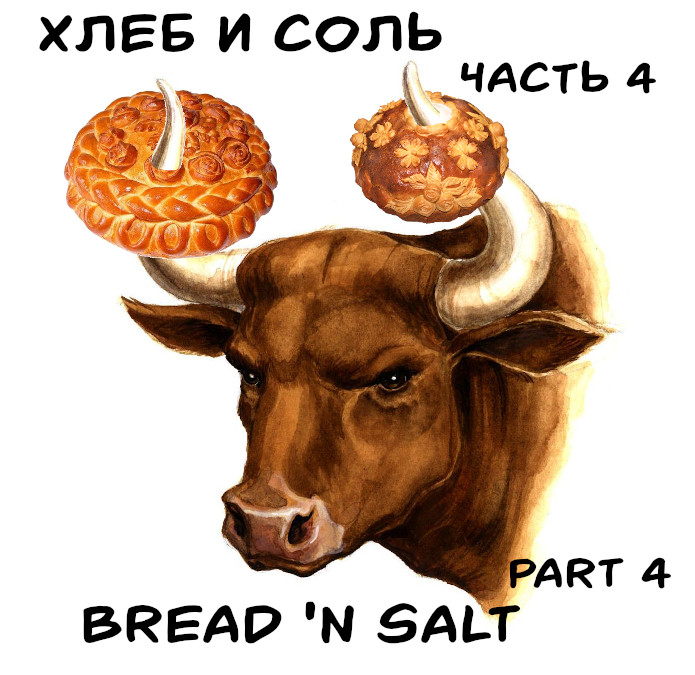
Bread and salt – part 4

Have you ever tried to milk a cow or build a house? Our Slavic ancestors used the “bread and salt” pair in many rituals, connected to birth, funerals, cattle-breeding, agriculture and construction. Both Eastern and Western Slavs, when laying the house foundation, as well as at all stages of its construction, put pieces of bread and salt in the corresponding parts of the building in order to ensure its durability and home’s prosperity.
ꏍ
For protection and ritual cleansing, bread and salt were placed inside a cradle or a bathtub of an infant, as well as sewn into swaddling blanket. Bulgarian women carried bread and salt with them before and after childbirth to “preserve milk”. In Belarus, to ease childbirth, a woman in labor kissed a bread loaf with salt and walked around the table three times.
ꏍ
Bread and salt were believed to have protective and fertility properties for livestock. Russians and Poleshchuks put them in a barn (tied to horns, to a milking gear, etc.) so that the cattle were fertile, produced more meat and milk, as well as to protect animals from an evil eye and diseases.
ꏍ
More interesting facts can be found in: “Slavic Antiquities” – encyclopedic dictionary in 5 volumes by Institute for Slavic Studies of the Russian Academy of Sciences.
bread and salt

Don’t mess with Leshy…

We continue to work on the first story from the animated fantasy comic book series about customs and beliefs of the Slavic people in the early Middle Ages. The “static” PDF version of our graphic novel is ready and available in English for FREE download here: https://www.slovene.online/boar

Leshy

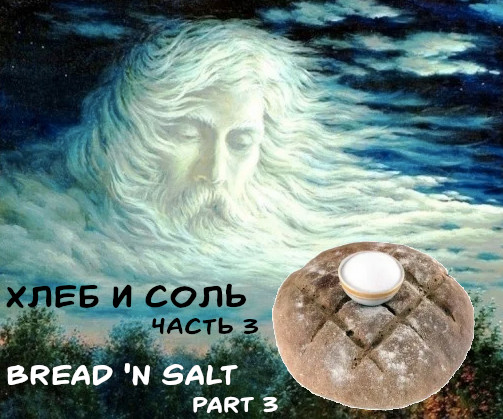
Bread and salt – part 3

Have you ever tried to change the weather? Our Slavic ancestors had many rituals for this, including the use of bread and salt. Among the eastern and southern Slavs, for protection from hail or thunderstorms, bread and salt were offered to a thundercloud in order to appease it. Slavs could set a table outdoor or offer bread and salt on a shovel or in a “dezha” (special wooden tub for sourdough bread making). And during a drought, they threw bread and salt into a well, or went out with them into the field and prayed for rain.
ꏍ
Bread and salt were thrown into the river so that the water would carry away all the diseases, or as protection from flooding. The Belarusians put them in a fishing net so that Vodyanoi would help with a successful fishing; the Bulgarians threw them to Khala along with the money so that Khala would not eat the cattle bathing in the lake.
ꏍ
They were also used for divination. To determine the fate of a relative, Slavs placed salt, bread, oven clay and charcoal on the corners of the table. Then they would hold a bread on a string to see if it deviates in the direction of bread and salt (then the relative is alive), or to clay and charcoal (than the relative is dead).
ꏍ
To be continued…

bread and salt